Blog

  • How to Respect Wildlife While Driving in East Africa National Parks

    How to Respect Wildlife While Driving in East Africa National Parks

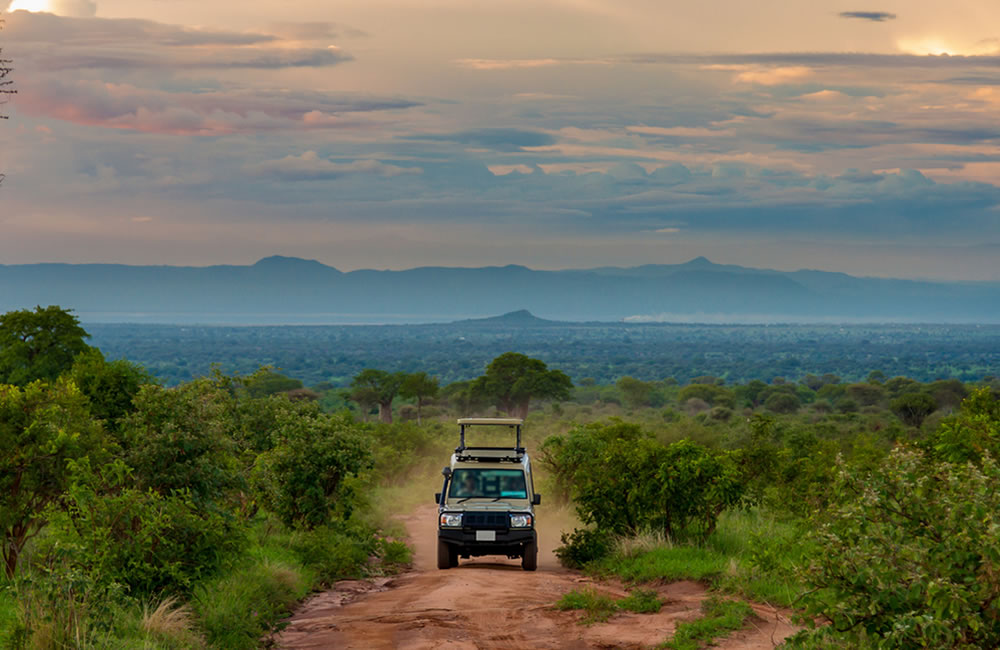
    Respecting wildlife while driving in East Africa national parks is very important for the safety of both animals and visitors. When you enter parks like Serengeti, Masai Mara, Queen Elizabeth, or Ngorongoro Crater, you are entering the natural home of wild animals. These animals are not in a zoo, so they behave freely and should be treated with care and respect. A self-drive safari gives you freedom to explore, but it also comes with responsibility. You must always remember that you are a guest in the animals’ home.

    Driving carefully, keeping a safe distance, and following park rules helps protect wildlife and keeps the environment peaceful. Animals can easily get stressed or change their behavior if vehicles come too close or make noise. By respecting wildlife, you help protect nature for future generations. It also makes your safari experience better because animals behave naturally, and you get to see real, undisturbed wildlife moments in East Africa.

    1. Always keep a safe distance from animals

    One of the most important rules in any national park is to keep a safe distance from wildlife. Animals may look calm, but they are still wild and unpredictable. If you get too close to lions, elephants, or buffalo, you can make them feel threatened. This may cause them to move away quickly or behave aggressively. For example, elephants are very protective of their young and may charge if they feel unsafe. When you are driving in parks like Serengeti National Park, always use binoculars or zoom lenses for a closer view instead of moving the vehicle closer. Do not try to surround animals or block their movement. A good rule is simple, if an animal changes its behavior because of your presence, you are too close.

    1. Stay inside your vehicle at all times

    In most East African national parks, you must stay inside your vehicle unless you are in a designated area like a picnic site or lodge. Animals see vehicles as one large object, not individual people. When you step out, you break this illusion and may appear as a threat or prey. In places like Masai Mara National Reserve or Queen Elizabeth National Park, predators such as lions and leopards roam freely. Getting out of your car can be very dangerous. Even when animals look calm or far away, you should never assume it is safe to walk around. Always wait until you are in a safe, designated area before leaving your vehicle.

    1. Do not make noise or disturb animals

    Wild animals are very sensitive to sound. Loud talking, shouting, or playing music can disturb them and affect their natural behavior. When you are near animals, keep your voice low and avoid unnecessary noise. Do not honk your car horn, rev your engine, or make sudden sounds. In quiet moments, you may see amazing behavior like lions resting, elephants feeding, or birds hunting. These moments only happen when animals feel safe. In parks like Ngorongoro Crater, where wildlife is concentrated, silence helps you observe animals behaving naturally without stress. Respecting silence also improves your safari experience because you can hear natural sounds like bird calls, wind, and animal movements.

    1. Follow Park speed limits and drive carefully

    Speeding in national parks is dangerous for both animals and visitors. Animals can suddenly cross the road, especially antelopes, zebras, or warthogs. Always drive slowly and carefully. In many parks, the speed limit is around 25–40 km/h, depending on the area. Driving slowly gives you more time to react and also increases your chances of spotting wildlife. Fast driving often makes you miss animals hiding in grass or bushes. In areas like Queen Elizabeth National Park, where roads pass through open savannah, slow driving is very important to avoid accidents with animals. Remember a safari is not a race. It is about enjoying nature safely.

    1. Never feed wild animals

    Feeding wild animals is one of the worst things a visitor can do in a national park. When animals get food from humans, they lose their natural hunting or feeding behaviour. They may also become aggressive or dependent on vehicles for food. For example, baboons or monkeys may become bold and try to steal food from cars if they are fed regularly. In parks like Serengeti National Park, feeding animals can disturb the natural ecosystem and create long-term problems for wildlife management.

    Always keep your food inside your vehicle and never throw food outside, even if animals look hungry.

    1. Respect animal space during sightings

    When you see animals, especially predators like lions or leopards, many vehicles may gather at the same spot. It is important to behave responsibly. Do not block animal movement or surround them with your vehicle. Leave enough space for animals to move freely. If another vehicle is already watching an animal, wait your turn instead of rushing in. This reduces stress on animals and avoids crowding.

    In busy parks like Masai Mara National Reserve, responsible driving helps maintain order and ensures everyone gets a fair viewing experience. Respecting space allows animals to continue their natural behaviour without pressure from vehicles.

    1. Do not chase or follow animals

    Chasing animals for a better view is harmful and against park rules. Animals can become stressed, exhausted, or even injured if they are followed too closely. If an animal moves away, respect its choice and do not follow it aggressively. Instead, wait patiently or move to another area. For example, in Ngorongoro Crater, animals are often seen near roads. Even then, you should avoid following them off-road or disturbing their movement. A good safari experience is about patience, not chasing wildlife.

    1. Respect breeding and nesting areas

    Some areas in national parks are very sensitive, especially where animals give birth or raise young ones. If you see baby animals like lion cubs, elephant calves, or baby antelopes, be extra careful. Do not get too close or stay too long. Mother animals can become very protective and aggressive if they feel their young are threatened. Always observe quietly from a distance and avoid blocking escape routes. In parks like Serengeti National Park, seasonal breeding areas are especially important for the survival of wildlife populations.

    1. Follow ranger instructions and park rules

    Park rangers are trained to protect both visitors and wildlife. Always listen to their instructions. They may guide you on where to drive, where not to go, or how to behave around certain animals. Rules are different in each park. For example, some areas may require guided drives, while others allow full self-drive access. In Queen Elizabeth National Park, rangers may guide you through certain sectors like Ishasha, known for tree-climbing lions. Following rules ensures safety and helps protect fragile ecosystems.

    1. Do not go off-road unless permitted

    Off-road driving is not allowed in many East African parks because it damages vegetation and disturbs wildlife habitats. Driving off-road can destroy grasslands, disturb animal trails, and cause long-term environmental damage. Only go off-road if it is clearly allowed in specific areas under ranger guidance. In parks like Masai Mara National Reserve, some controlled off-road driving may be allowed in special cases, but it must be done responsibly. Always stay on marked tracks unless told otherwise.

    1. Respect other visitors and vehicles

    A safari is shared by many travellers. Respecting others is part of respecting wildlife. Do not block other vehicles’ views or rush in front of them. Share sightings fairly and patiently. Turn off your engine when stationary near animals to reduce noise and pollution. Good behaviour from all drivers creates a calm environment for wildlife viewing.

    1. Understand that wildlife comes first

    The most important mindset during a safari is understanding that wildlife always comes first. You are visiting their home, not the other way around. Your comfort, timing, and plans should adapt to animal behaviour, not force animals to adapt to you. In places like Serengeti National Park, wildlife conservation depends on responsible tourism. Every visitor plays a role in protecting this ecosystem. When you respect wildlife, you help ensure that future travellers will also enjoy the same beautiful experiences.

    Conclusion

    Respecting wildlife while driving in East Africa’s national parks is not just about following rules it’s about protecting the animals and preserving the beauty of nature for future generations. When you drive carefully, keep your distance, and leave no trace, you help keep these wild spaces safe and thriving. By showing kindness and patience, you create a more peaceful environment for both the wildlife and other visitors. In the end, respecting nature makes the experience even more special, allowing you to connect with the incredible creatures and landscapes that make East Africa so unique.

  • Unveiling the Natural Wonders of California: A Journey Through Its Five National Parks

    California is one of the most popular states in America when it comes to natural beauty, with a diverse range of landscapes that include towering mountains, sprawling deserts, and stunning coastlines. The state is home to five breathtaking national parks, each with its own unique features and attractions that make it a must-visit destination for outdoor enthusiasts and nature lovers.
    In this post, we’ll take a closer look at California’s five national parks, exploring their natural wonders and highlighting the top attractions and activities to enjoy in each one. We’ll also recommend some other national parks in different states that are worth a visit, as well as offer some suggestions for planning your trip to California’s national parks.

    Five National Parks In California

    Yosemite National Park

    Yosemite is one of the most iconic national parks in America, known for its towering granite cliffs, cascading waterfalls, and ancient giant sequoias. Visitors can hike the park’s many trails, including the famous Half Dome and Yosemite Falls hikes, or explore the park’s many scenic drives and viewpoints.

    Joshua Tree National Park

    Joshua Tree is a unique national park that straddles the Mojave and Colorado deserts, offering visitors a surreal landscape of twisted Joshua trees, massive boulder formations, and stark, rocky peaks. The park is a popular destination for rock climbing, hiking, and stargazing, with several campgrounds and backcountry areas available for overnight stays.

    Death Valley National Park

    Death Valley isone of the hottest and driest places on earth, but it’s also one of the most fascinating. The park is home to stunning geological formations, including colorful badlands, towering sand dunes, and the lowest point in North America, Badwater Basin. Visitors can explore the park’s hiking trails, scenic drives, and historic sites, like the abandoned mining town of Rhyolite.

    Redwood National and State Parks

    Redwood is a collection of national and state parks that protect some of the oldest and tallest trees on earth, the towering coast redwoods. Visitors can hike the park’s many trails, including the famous Tall Trees Trail, or drive the scenic Newton B. Drury Parkway, which offers stunning views of the redwood forest.

    Channel Islands National Park

    Channel Islands is a series of five islands off the coast of Southern California that offer visitors a rare glimpse of unspoiled wilderness. The islands are home to a variety of unique wildlife, including endemic species like the island fox and the Channel Islands spotted skunk. Visitors can hike, kayak, snorkel, and camp on the islands, or take a boat tour to see the marine life that surrounds them.

    Recommendations on National Parks In Other States

    While California’s national parks are certainly some of the most beautiful in the country, there are many other national parks worth visiting in other states. These include:

    • Grand Canyon National Park in Arizona
    • Yellowstone National Park in Wyoming, Montana, and Idaho
    • GreatSmoky Mountains National Park in Tennessee and North Carolina
    • Acadia National Park in Maine
    • Rocky Mountain National Park in Colorado

    Suggestions and Tips

    • When planning your trip, be sure to check each park’s website for the latest information on park closures, trail conditions, and other important updates.
    • Many of California’s national parks are popular destinations, so consider visiting during the off-season or on weekdays to avoid crowds.
    • Bring plenty of water, sunscreen, and comfortable shoes for hiking, as many of the parks can be hot and rugged.
    • Consider staying overnight in or near the parks to maximize your time and experience more of what each park has to offer.

    Conclusion

    California’s national parks offer a diverse range of natural wonders and outdoor adventures that are sure to leave visitors in awe. From the towering granite cliffs of Yosemite to the twisted Joshua trees of Joshua Tree, there’s something for everyone in these five incredible parks. And for those looking to explore other parts of the country, there are many other national parks worth visiting as well. So start planning your trip today and get ready to experience the natural beauty of America’s national parks firsthand.

  • Why Gorilla Trekking is Much Loved?

    Uganda, Rwanda and the Democratic Republic of Congo are the only homes to the mountain gorillas. These countries host the mountain gorillas in four gazetted national parks of Bwindi  National park and Mgahinga Gorilla National Park of Uganda, the Volcanoes National Park Rwanda and the Virunga National Park in the Democratic Republic of Congo (DRC).

    Gorillas are found in ten countries in Africa. Other African countries hosting the endangered gorillas include Central African Republic, Nigeria, Democratic republic of Congo (DRC), Congo Brazzaville, Angola, Cameroon and Gabon.

    Meeting the gorillas eye to eye in the wild is one of the most thrilling wildlife encounters you can enjoy in Africa. Within several countries, gorilla tourism has been developed and tourists can visit the natural habitats where these great apes live and watch them from the wild. This experience commonly referred to as gorilla trekking is a moving experience. Don’t expect a zoo experience given that you will be within the natural home of the great apes without any barrier protecting you.

    Looking into the pensive eyes of the gentle giants is such a heart pounding experience. It should be noted that gorillas are more loved for trekking which is evidenced by the large number of tourists yearning to meet them in their natural habitat. Most gorilla watching trips are taken in Uganda, Rwanda and Democratic Republic. Within these countries, gorilla trekking is the top tourist activity in each country. Other destinations where you can go for gorilla watching are Gabon, the Republic of Congo, Central African Republic and Nigeria.

    Of all these destinations, Rwanda is the favorite destination for luxury gorilla treks. For budget and midrange travel, Uganda is the ultimate destination to visit. There are also opportunities to experience a luxury gorilla safari in Uganda.

    Gorillas are much loved due to the following reasons:

    Gorillas are human like, they are intelligent and somehow similar DNA after chimpanzees. Gorillas exhibits unique characters which are similar to those of human being like formulating organized  families, building shelters, feeding together, hunting together and so on.

    Gorillas trekking offers amazing experience – it involves climbing uphill and sloping down the valleys, crossing rivers and so on when trying to look for them in their natural habitat.  The exercise in done in groups under the guidance of rangers who ensures that the trek is enjoyable and informative. In Uganda and Rwanda, each Gorilla group is visited by the maximum of eight people who trek while sharing ideas among others.

    Gorilla trekking enable visitors to exercise their bodies- the process of climbing, sloping, jumping over rivers and so on. In other words, the exercise improves human health just like a person from Jim.

    The tropical forests in Uganda including Bwindi Forest and Mgahinga Forest offers pure breathing air which is rarely found in urban areas. The forest also offer other tourist attractions like unique tree species, hills and valleys, insects, reptiles and water bodies among others.

    Gorillas earn a lot of foreign exchange in countries like Uganda, Rwanda, and Democratic Republic of Congo among others. Currently, Rwanda charges US$ 1500 per Gorilla permits, Uganda charges US$ 600, DR. Congo charges US$ 400 which widens the government tax base of such countries hosting Gorillas.

    Gorillas defend themselves in times of danger making them easy to host. Gorillas have predators because they are strong enough to defeat their enemies without the help of human being- in other words, Gorillas are stronger than human beings – it’s estimated that, one Gorilla is equivalent to the strength of ten strong men.

    Gorillas are calm if not disturbed – they can only charge when they detected danger. That is why trekkers are argued to follow the rules and regulations governing Gorillas trekking exercise.  It should be noted that, human should leave a reasonable distance in between with Gorillas; Flash cameras should be avoided, when Gorillas charge, better leave.

    Gorillas in natural habitat are easy to host because they feed on vegetation, defend themselves in time of attack and look for their young ones among others

  • Gorilla Trekking in Uganda or Rwanda

    Without any doubt, Uganda and Rwanda are known as the best destinations for gorilla tracking in the whole world, however truth it may be, there has been several debates in contrast which provides the finest regard to gorilla trekking experience, and photography. It must be put into consideration that mountain gorillas are regarded as endangered species and according to the last population census carried on them in 2013 there about 1000 individuals left in the world and among these a half of the world’s population live in Uganda’s Bwindi impenetrable forest located in the south western part of Uganda over 400 individuals live in this park. the rest are found within the Virunga ranges which are shared by Rwanda within the volcanoes national park in the north western region of Rwanda, the Virunga National Park in the democratic republic of Congo and the Mgahinga Gorilla National Park in Uganda. People who have got chance to track in each country have different experience in contrast and views, however what we have here are certainly not the reality however its reliant on people’s views.

    Travel time to the mountain gorilla tracking parks

    Gorillas in Rwanda can be reached in just a drive of about 2-3 hours from the Kigali Rwanda’s capital city to volcanoes national park located in Ruhengeri Musanze district in the north western part of Rwanda. In contrast, Uganda Gorillas are found in the south- western part of Uganda in a drive of about 9-10 hours from Kampala Uganda’s capital and largest city up to Bwindi impenetrable national and Mgahinga gorilla forest national park. When comparing the driving distance Rwanda takes it all due to a shortest distance it covers to the gorilla park. However some of the clients yet said that the long distance from Entebbe to Bwindi impenetrable forest or Mgahinga gorilla forest national park gives an experience it filled with striking views, a stopover at the equator-crossing and certainly the kigezi adulating hills making the total safari exciting.

    Gorilla tracking fee (Permits)

    No one is allowed to track gorillas without a gorilla permit and it’s advised to book earlier prior to your tracking date at least 3-5 months before you set up your safari and this applies to both countries. Rwanda gorilla permits costs $ 750 per person per tracking and this includes the park entry fee plus the ranger guides and permits in Rwanda are acquired at the Rwanda tourism board Offices (ORTPN) found in Kigali (close to the PNV). Whereas in Uganda gorilla permits are at a fee of $ 600 per person per tracking, park entry fee and ranger guides is included on that money, and permits are bought at the Uganda wildlife Authority (UWA). Uganda gorilla permits fees are subjected to seasons in the high seasons gorilla permits are got at $600 while the low seasons April –May they costs $350 per person including the park entry fee both in Bwindi and Mgahinga. Thus this means that gorilla tracking within Rwanda is more expensive in comparison to gorilla trekking within Uganda. If you track in Uganda you end up saving about $150 in the high season and about $350 in the low seasons and will use the rest of the money to track the chimpanzees within Kibale National Park or Queen Elizabeth N.P

    Gorilla Family distribution

    In terms of allocating gorilla families within Rwanda, the gorilla families and permits are allocated basing on health, age, interest and physical fitness of a tourist and this is made clear during the briefing before the gorilla safari commences. Those who are adventurous and physically fit are allocated to hard families and those who are weak, old, less physically fit are given easy to find gorilla families which are close. But in Uganda this is not the case, Gorilla permits are sold on first came first served basis without considering the, age, health and fitness along with other essential variables. So gorilla tracking in Rwanda is more flexible than in Uganda.

    Watching and Photography

    Mountain gorillas in Rwanda can be viewed easily and photography is much clear as compared to the Bwindi impenetrable forest gorillas. Rwanda Volcanoes National Park gorillas are found in the bamboo forests and short grass that has caused it better when it comes to viewing plus photography. The impenetrable forest of Uganda at times results into bad visibility as well as photography because of the tall grass. However viewing in some families in Uganda is clear like in the Nshongi family within Rushegur, Nshongi among other have better views.

    Accommodation Compared.

    When it comes to lodging and accommodation, Uganda is far much better compared to Rwanda. Uganda has several accommodations within the four trails that are Rushaga, Ruhija, Nkuringo and Buhoma. In each trail you can still find at least 2 up market accommodations and also other alternatives to mention some lodges include (Luxury) Buhoma Lodge/ Mahogany Lodge/ Chameleon Hill Lodge/ Lake Mutanda Resort (mid-range) Engagi Lodge/ Silverback Lodge / Gorilla Safari Lodge/ Gorilla Resort Bwindi/ Gorilla Mist Camp, (budget)Ruhija Gorilla Friends Camp or Travelers Rest Hotel, Gorilla Valley Lodge or Buhoma Community Campground. In terms of Rwanda, there a number of lodges however only one sticks out and that’s Virunga Lodge that is usually full and costly. Other lodges include Sabyinya Silverback Lodge, Gorilla nest Lodge, (luxury) Le Bombou Lodge and Kinigi Guest House.

    Apart from gorillas which other activities done

    Besides mountain gorillas Uganda is blessed by very many natural wonders it hosts over 1012 species of birds, it’s where in the world you can spot the tree climbing lions in the famous part of Queen Elizabeth national park Ishasha area, you can see them sited on fig trees or tree blanches, still It has got the source of the Nile the longest river in the world, where it begins 3000 kilometer journey to the Mediterranean Sea. It’s located in Jinja and around the Nile you can try river rafting and bungee jumping. And many fishing activities can be arranged on Lake Victoria the biggest fresh lake in Africa, Uganda houses 10 national parks and reserves which provide uncrowded viewing of the varied animals, birds and plant species, the famous Rwenzori mountains also provide challenging expedition. Uganda was chosen the very best location by lonely planet. All these among other attractions make Uganda the best in terms of tourist attraction, Rwanda has only three national parks that’s volcanoes national park, Nyungwe Forest and Akagera National Park.

  • Best National Parks for Wildlife Watching in the US

    We must be crazy for even suggesting there are “best” parks for wildlife watching. The truth is that every national park unit (and that includes historic sites, battlefields, memorials, lakeshore, seashores, etc.) has great wildlife watching opportunities. And if you are only after particular species, say the banana slug, well then there’s only a handful of parks that will meet your need.

    But we’ve been around long enough to know that there are certain species, in certain parks, and available at certain times of the year, that are of the greatest interest to the wildlife watcher. Of course that sometimes also means there may be crowds at those parks viewing those species, and that’s not always a good thing. So with that in mind we’re going to give a list of great wildlife watching parks and opportunities, including some that might be off the beaten track. And then to make the list more manageable, and fair, we picked only one unit from each state (western states do tend to have more parks and more large “charismatic” wildlife). Hopefully you can find a site near you.

    Table of Best Wildlife Viewing Parks
    Park Focal Species Tips
    Alaska                               
    Katmai NP
    Brown Bear Book your reservation well in advance. Best viewing in Jul.-Aug. Costly.
    Arizona                               
    Grand Canyon NP
    California Condor Still an endangered species. A majestic soaring bird.
    Arkansas
    Buffalo NR
    Elk Reintroduced to the region. View during the fall rut.
    California
    Point Reyes NS
    Gray Whale Great spot to view migrating whales from shore in winter months.
    Colorado
    Rocky Mountain NP
     Bighorn Sheep Can be best viewed in the fall mating season and in winter.
    Florida
    Everglades NP
     Alligator Best viewed in the winter when water is less abundant.
    Georgia
    Chattahoochee NRA
     Canada Goose Common species any time of the year.
    Idaho  
    Craters of the Moon NM
    Short-horned Lizard Most active in summer.
    Indiana
    Indiana Dunes NL
    Sandhill Crane Now breed in the region. Skittish so view from a distance.
    Iowa
    Effigy Mounds NP
    Raptor Migration Eagles, hawks, and vultures in the fall and winter along the Mississippi.
    Kansas
    Tallgrass Prairie NPres.
    Prairie Chicken View the spring breeding dancing on the lek (i.e., dancing grounds).
    Maine
    Acadia NP
    Harbor Seal Common.
    Maryland
    Assateague Island NS
    Horseshoe Crab Most viewable during the breeding season as they come to shallows.
    Massachusetts
    Cape Code NS
    Humpback Whale A recovering species.
    Michigan
    Sleeping Bear Dunes NL
    Trumpeter Swan Now breed in the park. Keep your distance, especially during nesting.
    Minnesota
    Mississippi NRA
    Bald Eagle Very common and active around open water in the winter months.
    Mississippi
    Gulf Island NS
    Brown Pelican A recovering species, watch their dives into the water in search of fish.
    Missouri
    Ozarks NSR
    Wild Turkey Go in spring when the gobbling fills the air.
    Montana
    Glacier NP
    Mountain Goat The park road will take you within reach of this alpine animal.
    Nebraska
    Niobrara NSR
    Soft-shelled Turtle Common along the scenic river. Best viewed by canoe.
    Nevada
    Great Basin NP
    Coyote Common, but please don’t feed them.
    New Mexico
    Carlsbad Caverns NP
    Brazilian Free-tailed Bat The bat exodus every evening is famous and amazing.
    New York
    Fire Island NS
    Laughing Gull Birding for millions of people.
    North Carolina
    Cape Hatteras NS
    Black Skimmer A marine bird.
    North Dakota
    Theodore Roosevelt NP
    Bison View the calves in spring and rutting in the summer, but be careful.
    Ohio
    Cuyahoga Valley NP
    Beaver They’ve recolonized Ohio. Most active in the evening.
    Oregon
    Crater Lake NP
    Clark’s Nutcracker A striking bird, but don’t feed.
    Pennsylvania
    Delaware Water Gap NRA
    Great Blue Heron Patiently watch as they strike for fish, frogs, and other food.
    South Carolina
    Congaree NP
    Pileated Woodpecker Our largest woodpecker now that the ivory-billed is extinct.
    South Dakota
    Badlands NP
    Black-tailed Prairie Dog A charming critter, especially in early summer when the young come up.
    Tennessee
    Great Smoky Mountains NP
    Black Bear May be the best place on earth to see them.
    Texas
    Big Bend NP
    Roadrunner A striking bird, if you see one.
    Utah
    Zion NP
    Ringtail Like most desert wildlife, mostly nocturnal.
    Virginia
    Shenandoah NP
    White-tailed Deer Common everywhere.
    Washington
    Olympic NP
    Pacific Salmon Various runs from spring-fall so check with park staff.
    West Virginia
    New River Gorge NSR
    Peregrine Falcon The world’s fastest bird nests on cliffs.
    Wisconsin
    St Croix NSR
    River Otter A canoe trip is the best way to find them.
    Wyoming
    Yellowstone, NP
    Gray Wolf Best place in the world to see them. Go in winter to avoid crowds.


  • Wildlife Watching in America’s National Parks by Gary Vequist and Daniel Licht

    The following text and book cover comes from a new book published by Texas A&M University Press. Click here to view the book at the publisher’s web site.

    “From the Great Smoky Mountains to Point Reyes National Seashore, America’s national parks are home to some of nature’s great wildlife spectacles. In Wildlife Watching in America’s National Parks, Gary W. Vequist and Daniel S. Licht, two veterans of the National Park Service, pair each premier species with a featured park, adding information about other parks where the species may also be readily seen. Focusing on twelve animals, many of which have been threatened and are now protected within the national park system, the authors showcase one species for each month of the year, including gray wolf, black bear, prairie dog, sea turtle, plains bison, bats, pacific salmon, rocky mountain elk, beaver, American alligator, gray whale, and bald eagle.”

    TEXAS A&M UNIVERSITY PRESS Orders: 800-826-8911 www.tamupress.com Publication: February 2013 $25.00 flexibound with flaps. Simultaneous ebook. Beyond being a guide to observing these remarkable animals, this is also a book about America’s national parks. Nature lovers, travelers, and outdoor hobbyists of all types will be enthralled by America’s wildlife and the breathtaking photographs of places they inhabit, as presented in Wildlife Watching in America’s National Parks.

    Additional Reading:

    Louv, R. 2006. Last child in the woods: saving our children from nature-deficit disorder. Algonquin Books of Chapel Hill, Chapel Hill, North Carolina. 334pp.

    Knight, R. L., and K. J. Gutzwiller (eds.). 1995. Wildlife and recreationists: coexistence through management and research. Island Press, Washington D.C. 372pp.

    National Park Service. 2006. Management policies: the guide to managing the national park system. National Park Service, U.S. Department of the Interior, Washington D.C. 274pp.

    Sellars, R. W. 1997. Preserving nature in national parks: a history. Yale University Press, New Haven, Connecticut. 380pp.

  • Keep Your Distance, Gorilla!

    When tourists have the opportunity to visit gorillas in the wild they are understandably very keen to have really close contact with them, and some of them would like to approach them as close as they can. But there are a few considerations to bear in mind regarding the proximity between gorillas and humans.

    For example, did you know that the closer humans are to gorillas the higher are the chances that pathogens can be spread between humans and animals? Well, to prevent this there is the 7-metre gorilla tracking regulation which basically  aims to keep a minimum distance of 7 metres at all times from the gorillas.

    It’s very important to observe this regulation because gorillas are really so very similar to us and are sensitive to catch some diseases from humans very quickly. That’s why it’s very important to observe this regulation. According to a recent study by The Mountain Gorilla Veterinary Project the second greatest cause of gorilla mortality is disease, specifically respiratory diseases and it’s possible for a single tourist out of the thousands that annually visit the National Parks to pass pathogens, like influenza, to the gorillas.

    It’s a mistake when tourists are allowed to get pictures close to the gorillas and unfortunately this situation happens regularly, since the rule can be quite hard to enforce, especially with curious infant gorillas or enthusiastic tourists. But, it  is important to follow and stick to this regulation to protect not only the present but the future of our gorillas living in the wild in Africa.

  • The Best Zoos and Aquariums in the United States

    Zoos and aquariums are great places to learn about animals, conservation, and the natural world. The United States is home to some of the best zoos and aquariums in the world, offering visitors the chance to see a variety of creatures up close and personal. From the San Diego Zoo to the Georgia Aquarium, here are some of the best zoos and aquariums in the United States that you won’t want to miss.

    San Diego Zoo, California

    The San Diego Zoo is one of the most famous zoos in the world, known for its extensive collection of animals and its commitment to conservation. The zoo is home to over 3,500 animals from more than 650 species, including pandas, elephants, and tigers. The zoo also features botanical gardens, a children’s zoo, and a guided bus tour.

    Georgia Aquarium, Georgia

    The Georgia Aquarium is one of the largest aquariums in the world, offering visitors the chance to see a variety of marine life up close. The aquarium is home to over 100,000 animals from 700 species, including whale sharks, beluga whales, and sea otters. The aquarium also offers a range of educational programs and behind-the-scenes tours.

    Bronx Zoo, New York

    The Bronx Zoo is one of the oldest and largest zoos in the United States, known for its diverse collection of animals and its commitment to conservation. The zoo is home to over 6,000 animals from more than 700 species, including gorillas, snow leopards, and Komodo dragons. The zoo also features a range of exhibits, including the Congo Gorilla Forest and the Butterfly Garden.

    Monterey Bay Aquarium, California

    The Monterey Bay Aquarium is a world-class aquarium known for its stunning exhibits and its dedication to marine conservation. The aquarium is home to over 35,000 animals from more than 550 species, including sea otters, penguins, and hammerhead sharks. The aquarium also features a range of educational programs and interactive exhibits.

    Smithsonian’s National Zoo, Washington D.C.

    The Smithsonian’s National Zoo is a popular attraction in Washington D.C., known for its diverse collection of animals and its commitment to conservation. The zoo is home to over 2,700 animals from 390 species, including giant pandas, lions, and elephants. The zoo also features a range of exhibits, including the American Trail and the Amazonia exhibit.

    Conclusion

    In conclusion, the United States is home to some of the best zoos and aquariums in the world, offering visitors the chance to see a variety of animals and learn about conservation and the natural world. From the San Diego Zoo to the Georgia Aquarium, each of these attractions offers a unique and unforgettable experience. So, whether you’re a wildlife enthusiast, a family with children, or simply seeking a fun and educational outing, be sure to add one (or more!) of these incredible zoos and aquariums to your travel itinerary.

  • Unforgettable Wildlife Safari Experiences in Uganda

    Uganda is a greatly gifted nation with both nature and wildlife, hence being one of the top countries in Africa best for safari experiences. Uganda receives a large number of tourists annually, who come with different aspects – some go to Uganda to trek the mountain gorillas, well as others go there specifically for viewing the big game as others go there for birding and others are very much interested in the impressive culture that Uganda has got. Many people keep on wondering as to why most people go visit this small and third world country – Uganda!! However the fact is that; Uganda attracts a large number of tourists due to its extraordinary features such as; its good climate, varied wildlife, welcoming and friendly people, fantastic cultures, and the endless adventurous places, all which even made it to get the name of ‘’Pearl of Africa’’ which was given to it by Sir Winston Churchill. Below are some of the unforgettable wildlife safari experiences in Uganda;

    1. Gorilla Trekking

    Uganda is one of the only three refuges of the endangered mountain gorillas all over the world and these gentle giant apes attract a substantial number of individuals from all over the world to go trek these primates. The other two mountain gorilla refuges in the world are; Democratic Republic of Congo and Rwanda. Uganda is the only country with two national parks protecting the mountain gorillas – Bwindi Impenetrable forest and Mgahinga National Park, all found in southwestern Uganda.  Meeting these gentle apes is a life changing experience and the activity (gorilla trekking) involves hiking since the mountain gorillas live in mountainous forested areas. The activity is recommendable to only individuals above the age of 15 years and those who are mentally stable and physically fit because it is tiresome at most cases.

    Though tiresome, gorilla trekking is very joyous and memorable and once you meet the gorillas, surely you will forget all the difficulties that you encountered during your primate safari. For you to trek the mountain gorillas in any of Uganda’s two Parks, you are required to have a gorilla permit which costs US$ 600 in Uganda and the activity of trekking the gorillas is done in groups of 8 individuals per each group trekking. Besides the interesting gorilla trekking activity, Bwindi also offers another fascinating activity about the gorillas – gorilla habituation, where you will come to know more about the mountain gorillas since during the habituation of gorillas you are given much time with them. Gorilla habituation is a process of making the wild gorillas to become used to humans and in this process, you will spend 4 hours with the gorillas instead of the one hour you are given to spend with the gorillas during gorilla trekking. A gorilla habituation permit costs US$ 1500.

    2. Bird Watching

    Talking of birding safaris in Africa, definitely Uganda should be the first destination to think about simply because this small-beautiful country comprises of various amazing birding sites including the mighty Semuliki National Park – ‘the true birders haven’!! In Africa, Semuliki Park is the best destination for serious birders as the Park comprises of almost every African bird species that a birder could want to experience on his/her birding safari. Uganda, at large, comprises of over 1000 bird species in its best birding paradises which include; Semuliki National Park, Budongo forests (Murchison Falls National Park), Kibale Forests National Park, Mgahinga National Park, Bwindi Impenetrable Forests National Park, Mabamba bay wetland, Queen Elizabeth National Park, and others. The most suitable and appropriate time for bird watching are the morning hours and in the late evenings. Among the bird species to spot in Uganda include; the crested Uganda (Uganda’s national bird), shoebill storks, marabou storks, African green broadbill, green-breasted pitta, great blue turaco, standard-winged nightjar, Shelley’s crimsonwing, short-tailed warbler, and many others.

    3. Lion Tracking

    Lion tracking is such a very unique experiential tourism activity whereby a traveler gets a chance to view lions often closer than the usual game drives where you don’t get to learn and understand into detail about the lions. Tracking the lions in their natural habitats in Uganda can only take place in western Uganda’s national park – Queen Elizabeth National Park, of which the activity is most suitable in the morning and late afternoon hours and it is done twice in a particular day. The activity is really exceptional and magnificent and many travelers enjoy doing this, therefore if you are also interested to join the researchers in the field as they track the lions in their natural habitats you are highly emphasized to book in advance such that you don’t miss out this awesome activity which others call it breathtaking!! The Lion tracking permit costs US$ 150.

    4. Rhino Tracking

    Rhinos are among the so called popular ‘African big five’ – Lions, Elephants, Rhinos, Buffaloes, and Leopards, and every wildlife lover in Africa would wish to see these popular animals. Unfortunately today the rhinos are on the verge of going extinct due to heavy poaching and in Uganda the animals can only be tracked from the Ziwa Rhino Sanctuary, a 3 hours’ drive from Uganda’s capital city (Kampala). Tracking the rhinos in the sanctuary is quite affordable as you will only be required to pay US$ 50 which will help in conservation of the rhinos such that they can be re-introduced back in the national parks.

    5. Cheetah Safaris

    The cheetah is the fastest land animal on earth and it is among the three African big cats which include; African lions, African leopard and the African cheetah. Cheetahs are all over the African continent though rarely spotted in Uganda (the pearl of Africa) and the cheetah safaris in Uganda can only be conducted in the northern parts of the country – in the magnificent Kidepo Valley, True African Wilderness. Cheetahs are addicted to the open grasslands, savannas, even hills, and mountains all which Kidepo Valley National Park is composed of. The cheetah safaris in Kidepo can be accompanied with views of other big games such as; lions, leopards, buffaloes, elephants, and various bird species.

  • U.S. Ivory Regulation: A Q&A with Craig Hoover, U.S. Fish & Wildlife Service

    In response to concerns that poaching of African elephants is rapidly driving the species to extinction, the U.S. Fish & Wildlife Service (USFWS) issued Director’s Order No. 210, which tightened previous practice involving the import, export, and sale of African elephant ivory. The changes met with considerable resistance from a wide range of persons, including museum professionals, musicians, antiques dealers, and collectors. There has been not only consternation, but also confusion about what these changes mean for many transactions involving objects that may contain ivory components.

    To help provide some clarity on what precipitated these changes, what the changes are, and what impact they may have, I spoke with Craig Hoover, Chief of the U.S. Fish and Wildlife Service Wildlife Trade and Conservation Branch, for a brief Q&A.

    1. What precipitated the action taken by USFWS in February 2014? (decimation of African elephant populations, alleged use of ivory sales to fund African and international terrorist activities, emerging international consensus on need to concerted action)

    Hoover: The President’s Executive Order on Combating Wildlife Trafficking [Executive Order, July 1, 2013] called for a whole-of-government approach, including enhancing domestic efforts, to combat wildlife trafficking. This included taking all appropriate actions within our authority, including the promulgation of rules and regulations, to stop illegal trade in wildlife products. In light of the dramatic rise in elephant poaching and illegal trade in ivory, and the increasing level of sophistication and organization in that poaching and illegal trade, as well as a clear U.S. role as a consumer market, we determined that a series of administrative actions under our existing authority to further regulate the import, export and domestic sale of elephant ivory was needed.

    2. News reports have alleged that illicit ivory sales have been used to finance terrorist group activities.[1] Has USFWS and/or the international community been monitoring such activities, and was this a motivating factor?
    Hoover: As our focus is on conservation, we largely leave this question to the Department of State, the Department of Defense and other agencies that address terrorism as a more direct mandate. That being said, we are certainly aware of the nexus between wildlife trafficking and insurgent groups and the destabilizing effect that poaching and illegal trade can have on other governments. Thus, our administrative actions and the National Strategy for Combating Wildlife Trafficking are positive efforts not just for conservation but also for people, particularly the local communities impacted by poaching and illegal trade.

    3. How was African elephant ivory regulated under U.S. law (including treaty law) prior to issuance of Director’s Order No. 210 (DO210)?
    Hoover: African elephant ivory has been regulated under U.S. laws and regulations, including the African Elephant Conservation Act (AECA), Endangered Species Act (ESA), and Convention on International Trade in Endangered Species of Wild Fauna and Flora (CITES), for many years. Under the AECA, we’ve had a moratorium on the import of ivory in place since 1989 though, as a matter of enforcement discretion, we allowed the import of certain items to continue. Imports and exports have also been strictly regulated under the ESA and CITES regulations.

    4. How does DO210 modify prior practice with respect to the import, export, sale and transfer of African elephant ivory?
    Hoover: As noted above, the United States has had a moratorium on the import of African elephant ivory since 1989. As a matter of enforcement discretion, we were allowing certain African elephant ivory imports to continue despite the moratorium. DO210 narrowed the scope of those exceptions, particularly by prohibiting all commercial imports regardless of the age of the ivory. It also limits non-commercial imports to household moves and inheritances, musical instruments, and museum specimens that meet certain requirements. DO210 does not impact possession, sale or domestic transfer of African elephant ivory. More information about the Director’s Order and its impacts can be found here. [U.S. Fish & Wildlife Service, Director’s Order No. 210]

    5. Is DO210 part of a concerted effort to combat the illicit killing of African elephants and the sale of their ivory?
    Hoover: As described in the National Strategy for Combating Wildlife Trafficking, DO210 is one of several administrative actions that, when all are completed, will impose a near total ban on the trade in elephant ivory in the United States. We identified these actions as necessary to ensure that the United States, as a market for ivory, is not contributing to poaching and illegal trade, and to position the United States to encourage other countries to take similar actions to address their roles in the ongoing wildlife trafficking crisis.

    6. Why was DO210 amended? What is the effect of this amendment?
    Hoover: We revised DO210 on May 15, 2014 to address concerns, particularly from musicians and museums, about the DO210 criteria we initially laid out in February. This amendment addressed those concerns while still achieving our goal of limiting imports of African elephant ivory to certain non-commercial activities that are not contributing to poaching and illegal trade. The only change that related to African elephant ivory was to the date after which the item has not subsequently been transferred from one person to another person for financial gain or profit. The original date was Feb. 26, 1976 (the date the African elephant was first listed under CITES); the amendment changed this date to Feb. 25, 2014 (the date DO210 was issued).

    7. After the effective date of DO210, is any commercial importation or exportation of African elephant ivory permitted?
    Hoover: No commercial import is allowed. As a matter of enforcement discretion, we had been allowing the import of African elephant ivory items that were more than 100 years old. As of the issuance of DO210, we no longer allow the import of any African elephant ivory for commercial purposes, regardless of age. Commercial export of African elephant ivory is allowed under current ESA regulations, provided our general and CITES permitting requirements are met.

    8. After the effective date of DO210, what non-commercial importation or exportation of African elephant ivory is permitted?
    Hoover: We continue to allow the non-commercial import of the following, under certain conditions: sport-hunted trophies; law enforcement and bona fide scientific specimens; and worked elephant ivory that was legally acquired and removed from the wild prior to Feb. 26, 1976 and has not been sold since Feb. 25, 2014, as part of a household move or inheritance (read more), as part of a musical instrument (read more), and as part of a traveling exhibition (read more).

    9. What other types of ivory are used, and how will they be affected by these actions?
    Hoover: These actions will not affect ivory derived from other species such as walrus, warthog, hippopotamus, mammoth and mastodon. Asian elephant ivory is already regulated under the ESA and CITES. Ivory derived from toothed whales is already regulated by the ESA, CITES and the Marine Mammal Protection Act. Strict application of the definition of antique may limit some Asian elephant and whale ivory trade. Refer to our Q&A about antiques for more information.

    10. How can I tell the difference between elephant ivory and other types of ivory?
    Hoover: Buyer beware. Proceed with caution if you intend to purchase a product made of ivory. Ask for documentation that shows the species and age of the ivory item you are purchasing. This documentation could include CITES permits or certificates, certified appraisals, documents that detail date and place of manufacture, etc. It is possible to identify elephant ivory from other types of ivory. For more information, please visit the U.S. Fish & Wildlife Service’s Forensics Laboratory website.

    11. After the issuance of DO210, is it permissible for a museum or musician to purchase objects that contain African elephant ivory outside of the U.S. and import them into the U.S.?
    Hoover: No. Under the terms of DO210, items containing worked African elephant may not have been transferred from one person to another person for financial gain or profit since Feb. 25, 2014. Items obtained via a commercial transaction after Feb. 25, 2014, would not qualify for the exceptions for musical instruments or museum specimens.

    12. After the date of DO210, may a museum or musician either import an object containing African elephant ivory into the U.S. or export such an object from the U.S. for temporary travel or exhibition?
    Hoover: Yes. See the criteria laid out in Section 2 of DO210 for traveling exhibitions and musical instruments.

    13. For a museum wishing to export an object containing African elephant ivory for a temporary exhibition, what is the procedure to be followed?
    Hoover: Export of African elephant ivory is governed by different rules and restrictions. Commercial export of CITES Pre-Convention worked ivory, including antiques, that meet CITES permitting requirements, is allowed. Noncommercial exports must meet CITES permitting requirements. Export of any raw ivory is prohibited under the AECA and ESA. However, if the item is intended for return to the United States, it must meet the import requirements identified above.

    14. If USFWS determines that an African elephant ivory item is imported contrary to the provisions of AECA, DO210, CITES or ESA requirements, what process is afforded the importer to dispute that determination?
    Hoover: If we determine that the item was imported in violation of relevant wildlife laws and regulations, that item will be refused clearance. Depending on the particular situation, the item may be seized or made available for re-export. Congress has given USFWS the authority to seize property and to use non-judicial civil procedures to forfeit the seized property to the United States. After seizure of the property that the Government intends to pursue in a civil forfeiture action, we issue a letter termed “Notice of Seizure and Proposed Forfeiture” (NOSPF). The NOSPF gives interest holders notice of the seizure and proposed administrative forfeiture of the seized property, notice of the availability of administrative and judicial processes for contesting the proposed forfeiture, and notice of applicable deadlines for utilizing these processes. The Civil Asset Forfeiture Reform Act of 2000 (CAFRA) and Interior regulations provide for alternative and not sequential remedies for administrative forfeiture: once notified, an interested party may choose to allow the forfeiture to proceed administratively or may compel the Government to initiate a judicial forfeiture action by filing a claim for the property. The relevant statute and regulations can be found at 18 U.S.C. § 983(a)(2)(B) and 50 C.F.R. 12.23 and 12.24.

    15. What is meant by the ESA antiques exception?
    Hoover: The import, export and interstate sale (sale across state lines) of listed species or their parts is prohibited without an ESA permit except for items that qualify as “antique”. To qualify as antique, the importer, exporter or seller must show that the item meets all of these criteria:
    A. It is 100 years or older;
    B. It is composed in whole or in part of an ESA-listed species;
    C. It has not been repaired or modified with any such species after December 27, 1973; and
    D. It is being or was imported through an endangered species “antique port.”
    Under Director’s Order 210, as a matter of enforcement discretion, items imported prior to September 22, 1982 (the date the “antique ports” were designated), and items created in the United States and never imported must comply with elements A, B, and C above, but not element D.
    Because the African elephant is regulated under the ESA via a “special rule”, the ESA exception for antiques does not apply. Rather, the language of the “special rule” dictates what is allowed and prohibited under the ESA.

    16. What is an endangered species antique port?
    Hoover: In establishing the antique exception under the ESA, Congress directed what was then the U.S. Customs Service to identify specific ports of entry where antiques made from endangered and threatened species can be imported. There are 13 of these locations: Boston, Massachusetts; New York, New York; Baltimore, Maryland; Philadelphia, Pennsylvania; Miami, Florida; San Juan, Puerto Rico; New Orleans, Louisiana; Houston, Texas; Los Angeles, California; San Francisco, California; Anchorage, Alaska; Honolulu, Hawaii; and Chicago, Illinois.

    17. The Director’s Order refers to worked African elephant ivory that “was legally acquired prior to February 26, 1976.” What does that mean?
    Hoover: February 26, 1976, is the date the African elephant was first listed under CITES (the pre-Convention date). An item that contains African elephant ivory that was removed from the wild prior to February 26, 1976, is considered to be a pre-Convention specimen. This does not mean that the current owner must have purchased or acquired it prior to 1976, but that the item was manufactured from ivory that was taken from the wild prior to 1976. For example, a musical instrument that was manufactured in 1965 using African elephant ivory would be considered a pre-Convention specimen. Likewise, an instrument manufactured in 1985 using ivory acquired by the manufacturer in 1975 would also be considered a pre-Convention specimen. Since it is unlawful to possess specimens that have been traded contrary to CITES or taken in violation of the ESA, the ivory must have been legally acquired.

    18. Can I currently sell elephant ivory products within the United States?
    Hoover: African elephant ivory that a seller can demonstrate was lawfully imported prior to January 18, 1990—the date that the African elephant was listed in CITES Appendix I—and ivory imported under a CITES pre-Convention certificate can be sold within the U.S. (across state lines and within a state) provided that no state laws are violated during the transaction. Some states have also taken steps to limit commerce in ivory. Asian elephant ivory sold in interstate commerce within the U.S. must meet the strict criteria of the ESA antiques exception.
    Because the current rules regarding interstate commerce are different for African elephant ivory compared to Asian elephant ivory, a seller must be able to identify the ivory to species. This could be demonstrated using CITES permits or certificates, a qualified appraisal, or documents that detail date and place of manufacture, etc.

    19. Why is USFWS allowing limited imports for non-commercial purposes to continue, but restricting the commercial importation of antiques made from African elephant ivory?
    Hoover: The U.S. is a market for objects made from African elephant ivory, which drives increasing poaching of wild elephants. We have determined that it must take every administrative and regulatory action to cut off import of raw and worked elephant ivory where that importation is for commercial purposes. Allowing imports for law enforcement and scientific purposes is in line with our mission to help conserve African elephants and stop trafficking in African elephant ivory. The other limited exceptions allow movement into the U.S. of legally possessed African elephant ivory that predates the listing under the Convention on the International Trade in Endangered Species of Wild Fauna and Flora (CITES) for personal use as part of a household move or inheritance, musical performances, and traveling exhibitions. Each of these types of import must meet specific criteria. And unlike the commercial antiques trade, none of these types of imports has been used extensively by smugglers to “cover” trafficking in newly poached ivory.

    20. For an object to qualify under the antique exception, what documentation or proof is required?
    Hoover: DO210 Appendix A lays out in great detail the documentation requirements for items to meet the ESA exemption for antiques.

    21. Is ownership and use of personally owned elephant ivory items affected?
    Hoover: Personal possession of legally acquired items containing elephant ivory will remain legal. Worked African elephant ivory imported for personal use as part of a household move or as an inheritance and worked African elephant ivory imported as part of a musical instrument or a traveling exhibition will continue to be allowed provided the worked ivory has not been transferred from one person to another person in pursuit of financial gain or profit after February 25, 2014, and the item is accompanied by a valid CITES document. The import of raw African elephant ivory, other than sport-hunted trophies, is prohibited.

    22. May lawfully possessed African elephant ivory be transferred to others? By gift? By bequest? Does a charitable gift or bequest to a museum or other charitable institution qualify as a transfer not “for financial gain” for purposes of DO210 if the donor receives a charitable tax deduction for the donation?
    Hoover: Lawfully imported and possessed African elephant ivory can be used for noncommercial purposes, including transfer, bequest, or charitable gift, within the U.S. Such items can also be sold if the seller can demonstrate that the ivory was lawfully imported prior to the date the African elephant was listed in CITES Appendix I (January 18, 1990) or was imported under a CITES pre-Convention certificate.
    We intend to revise the ESA “special rule” for the African elephant, including further restricting sale across state lines. Before finalizing those regulations, we will publish a proposed rule in theFederal Register for public review and comment.

    23. Are any further modifications to DO210 or to the importation, exportation, or interstate sale of ivory anticipated at this time?
    Hoover: We do not plan to revise DO210. However, as noted above, we do intend to revise the ESA “special rule” for the African elephant, further restricting interstate sale of ivory and incorporating at least some aspects of DO210 into its regulations. These regulations will be published as a proposed rule subject to public comment before being finalized, likely in 2015.
    Additional information about the USFWS rules concerning the import, export, and sale of ivory is available on the USFWS’s ivory FAQ.