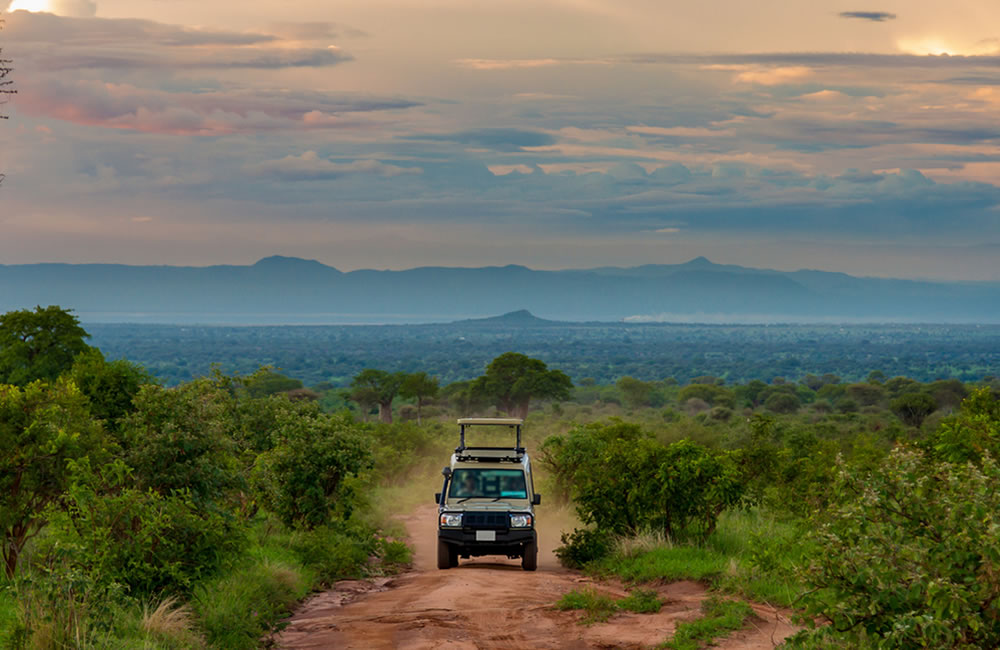
Respecting wildlife while driving in East Africa national parks is very important for the safety of both animals and visitors. When you enter parks like Serengeti, Masai Mara, Queen Elizabeth, or Ngorongoro Crater, you are entering the natural home of wild animals. These animals are not in a zoo, so they behave freely and should be treated with care and respect. A self-drive safari gives you freedom to explore, but it also comes with responsibility. You must always remember that you are a guest in the animals’ home.
Driving carefully, keeping a safe distance, and following park rules helps protect wildlife and keeps the environment peaceful. Animals can easily get stressed or change their behavior if vehicles come too close or make noise. By respecting wildlife, you help protect nature for future generations. It also makes your safari experience better because animals behave naturally, and you get to see real, undisturbed wildlife moments in East Africa.
- Always keep a safe distance from animals
One of the most important rules in any national park is to keep a safe distance from wildlife. Animals may look calm, but they are still wild and unpredictable. If you get too close to lions, elephants, or buffalo, you can make them feel threatened. This may cause them to move away quickly or behave aggressively. For example, elephants are very protective of their young and may charge if they feel unsafe. When you are driving in parks like Serengeti National Park, always use binoculars or zoom lenses for a closer view instead of moving the vehicle closer. Do not try to surround animals or block their movement. A good rule is simple, if an animal changes its behavior because of your presence, you are too close.
- Stay inside your vehicle at all times
In most East African national parks, you must stay inside your vehicle unless you are in a designated area like a picnic site or lodge. Animals see vehicles as one large object, not individual people. When you step out, you break this illusion and may appear as a threat or prey. In places like Masai Mara National Reserve or Queen Elizabeth National Park, predators such as lions and leopards roam freely. Getting out of your car can be very dangerous. Even when animals look calm or far away, you should never assume it is safe to walk around. Always wait until you are in a safe, designated area before leaving your vehicle.
- Do not make noise or disturb animals
Wild animals are very sensitive to sound. Loud talking, shouting, or playing music can disturb them and affect their natural behavior. When you are near animals, keep your voice low and avoid unnecessary noise. Do not honk your car horn, rev your engine, or make sudden sounds. In quiet moments, you may see amazing behavior like lions resting, elephants feeding, or birds hunting. These moments only happen when animals feel safe. In parks like Ngorongoro Crater, where wildlife is concentrated, silence helps you observe animals behaving naturally without stress. Respecting silence also improves your safari experience because you can hear natural sounds like bird calls, wind, and animal movements.
- Follow Park speed limits and drive carefully
Speeding in national parks is dangerous for both animals and visitors. Animals can suddenly cross the road, especially antelopes, zebras, or warthogs. Always drive slowly and carefully. In many parks, the speed limit is around 25–40 km/h, depending on the area. Driving slowly gives you more time to react and also increases your chances of spotting wildlife. Fast driving often makes you miss animals hiding in grass or bushes. In areas like Queen Elizabeth National Park, where roads pass through open savannah, slow driving is very important to avoid accidents with animals. Remember a safari is not a race. It is about enjoying nature safely.
- Never feed wild animals
Feeding wild animals is one of the worst things a visitor can do in a national park. When animals get food from humans, they lose their natural hunting or feeding behaviour. They may also become aggressive or dependent on vehicles for food. For example, baboons or monkeys may become bold and try to steal food from cars if they are fed regularly. In parks like Serengeti National Park, feeding animals can disturb the natural ecosystem and create long-term problems for wildlife management.
Always keep your food inside your vehicle and never throw food outside, even if animals look hungry.
- Respect animal space during sightings
When you see animals, especially predators like lions or leopards, many vehicles may gather at the same spot. It is important to behave responsibly. Do not block animal movement or surround them with your vehicle. Leave enough space for animals to move freely. If another vehicle is already watching an animal, wait your turn instead of rushing in. This reduces stress on animals and avoids crowding.
In busy parks like Masai Mara National Reserve, responsible driving helps maintain order and ensures everyone gets a fair viewing experience. Respecting space allows animals to continue their natural behaviour without pressure from vehicles.
- Do not chase or follow animals
Chasing animals for a better view is harmful and against park rules. Animals can become stressed, exhausted, or even injured if they are followed too closely. If an animal moves away, respect its choice and do not follow it aggressively. Instead, wait patiently or move to another area. For example, in Ngorongoro Crater, animals are often seen near roads. Even then, you should avoid following them off-road or disturbing their movement. A good safari experience is about patience, not chasing wildlife.
- Respect breeding and nesting areas
Some areas in national parks are very sensitive, especially where animals give birth or raise young ones. If you see baby animals like lion cubs, elephant calves, or baby antelopes, be extra careful. Do not get too close or stay too long. Mother animals can become very protective and aggressive if they feel their young are threatened. Always observe quietly from a distance and avoid blocking escape routes. In parks like Serengeti National Park, seasonal breeding areas are especially important for the survival of wildlife populations.
- Follow ranger instructions and park rules
Park rangers are trained to protect both visitors and wildlife. Always listen to their instructions. They may guide you on where to drive, where not to go, or how to behave around certain animals. Rules are different in each park. For example, some areas may require guided drives, while others allow full self-drive access. In Queen Elizabeth National Park, rangers may guide you through certain sectors like Ishasha, known for tree-climbing lions. Following rules ensures safety and helps protect fragile ecosystems.
- Do not go off-road unless permitted
Off-road driving is not allowed in many East African parks because it damages vegetation and disturbs wildlife habitats. Driving off-road can destroy grasslands, disturb animal trails, and cause long-term environmental damage. Only go off-road if it is clearly allowed in specific areas under ranger guidance. In parks like Masai Mara National Reserve, some controlled off-road driving may be allowed in special cases, but it must be done responsibly. Always stay on marked tracks unless told otherwise.
- Respect other visitors and vehicles
A safari is shared by many travellers. Respecting others is part of respecting wildlife. Do not block other vehicles’ views or rush in front of them. Share sightings fairly and patiently. Turn off your engine when stationary near animals to reduce noise and pollution. Good behaviour from all drivers creates a calm environment for wildlife viewing.
- Understand that wildlife comes first
The most important mindset during a safari is understanding that wildlife always comes first. You are visiting their home, not the other way around. Your comfort, timing, and plans should adapt to animal behaviour, not force animals to adapt to you. In places like Serengeti National Park, wildlife conservation depends on responsible tourism. Every visitor plays a role in protecting this ecosystem. When you respect wildlife, you help ensure that future travellers will also enjoy the same beautiful experiences.
Conclusion
Respecting wildlife while driving in East Africa’s national parks is not just about following rules it’s about protecting the animals and preserving the beauty of nature for future generations. When you drive carefully, keep your distance, and leave no trace, you help keep these wild spaces safe and thriving. By showing kindness and patience, you create a more peaceful environment for both the wildlife and other visitors. In the end, respecting nature makes the experience even more special, allowing you to connect with the incredible creatures and landscapes that make East Africa so unique.
Leave a Reply